d:matcha tea farm
From the loud beach vibe city of Naha in Okinawa to the tranquil tea fields of Wazuka in Kyoto’s countryside for deep immersion in organic, single-origin Japanese tea.

When I was planning my trip to Japan, someone I met through guiding my forest therapy programs in Boston, sent me a website link to a tea farm that she recommended visiting and even staying a night in their bed & breakfast which included farm-to-table meals, a tour of the farm, followed by a tea tasting. I looked at the website and saw these beautiful pictures of mountain-side tea fields and was very intrigued. I don’t know much about green tea and I’ve had matcha maybe less than three times in my life. One of those times was last week in Asuka, Japan on our shinrin-yoku experience.
My first exposure to matcha was in 1986 watching the Karate Kid II, when Daniel-san experiences a traditional Japanese tea ceremony with his Okinawan crush, Kumiko, who is trained in the way of tea or Chado. I was eight years old, captivated by the details of the ceremony and deeply curious what that mysterious green powder was and what that cup tasted like. Was it soup? Was it savory or sweet? Was it a medicinal liquid of some kind only shared between lovers? What was this ceremonial drink? I carried this curiosity with me for well over 20 years until matcha exploded in popularity in the US. I’ve tasted it but never felt super drawn to it but I have been curious why matcha has that electric green color and what plant it comes from and if it was the same plant as green tea.
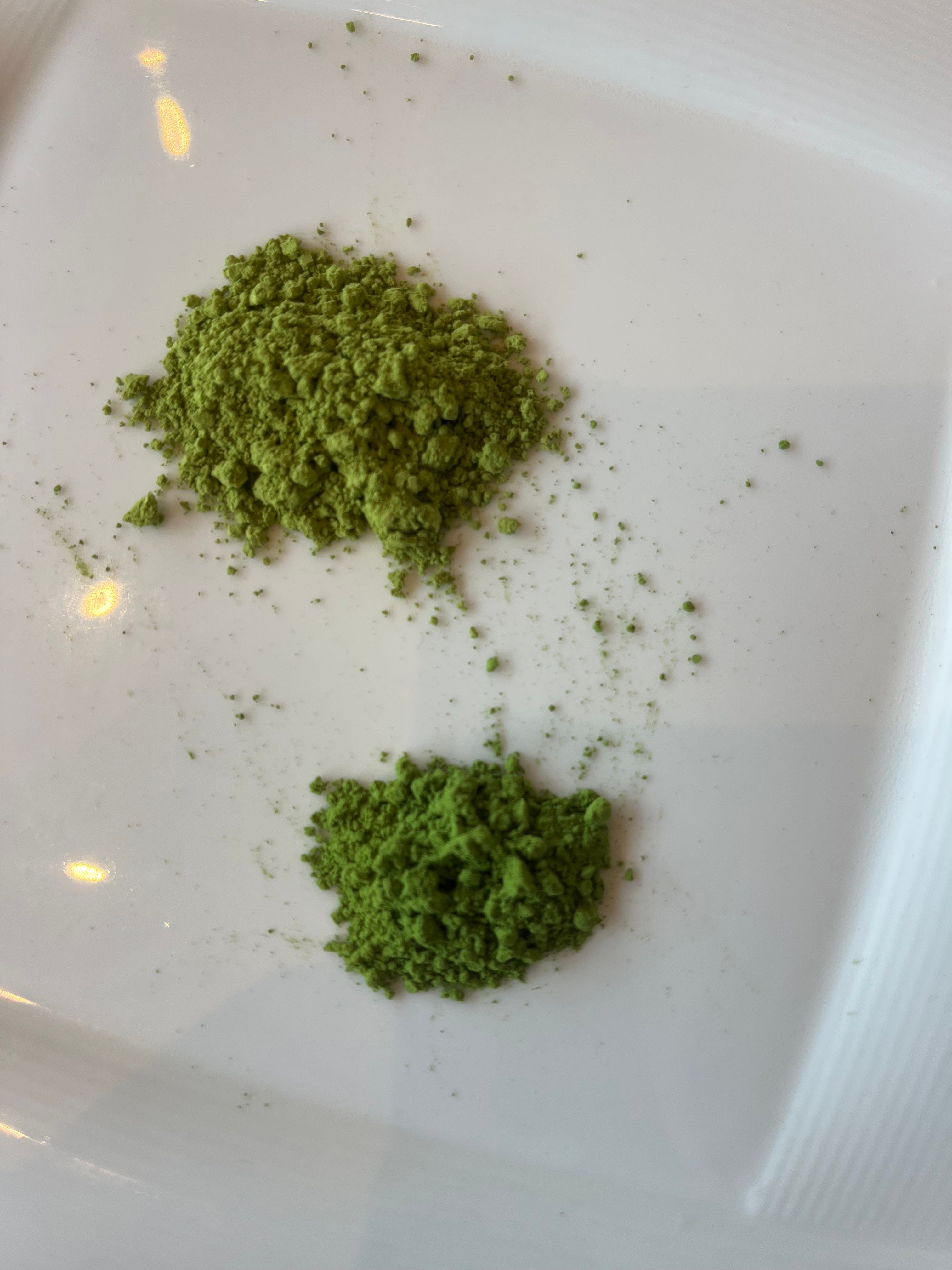
After Okinawa, most of the crew I was hanging with was headed to a geisha show at a festival back in Kyoto. I didn’t want to go to the geisha show and neither did Caitlin so we had made this plan to stay at d:matcha. So after flying from Okinawa to Osaka and catching a train to Kyoto we parted ways from the rest of the group. It was extra sad and surreal saying goodbye to Manuela, who I had been traveling with for the past two weeks. We shared a life-changing pilgrimage on the Kumano Kodo and we had bonded in a deeply profound way so it was definitely an emotional goodbye.
Caitlin and I stashed our luggage in some lockers at Kyoto Station and then caught a bus into the fun foodie ancient part of Kyoto to have lunch. Kyoto was poppin with people and the sakuras were peaking on another level. We made our way to Moon and Back for the best ramen I had in Japan with the black sesame paste ring around the bowl, and very tasty dumplings.
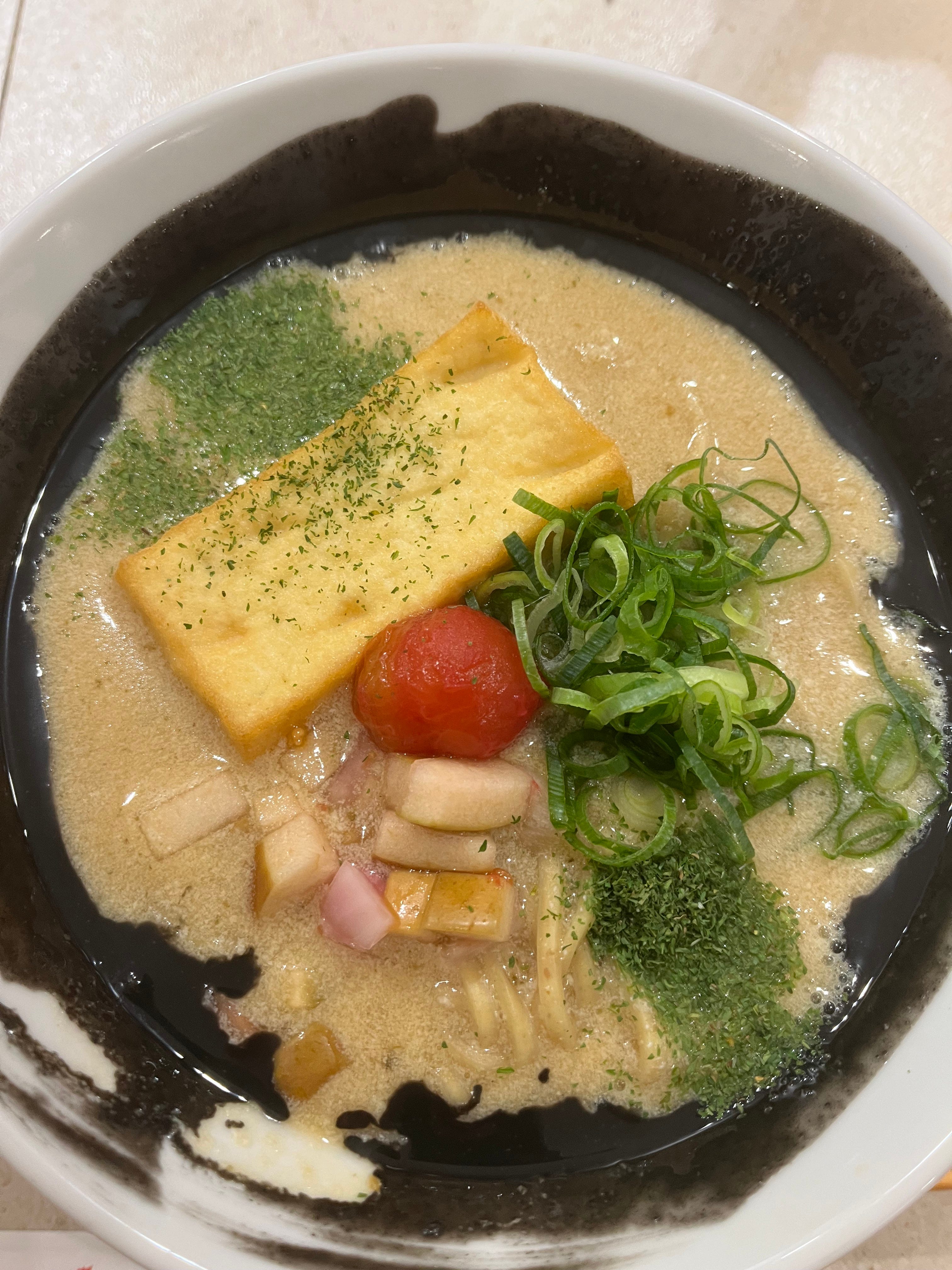
In the spirit of the peaking sakuras, we had these fun drinks with pearl and salty sakura blossoms.
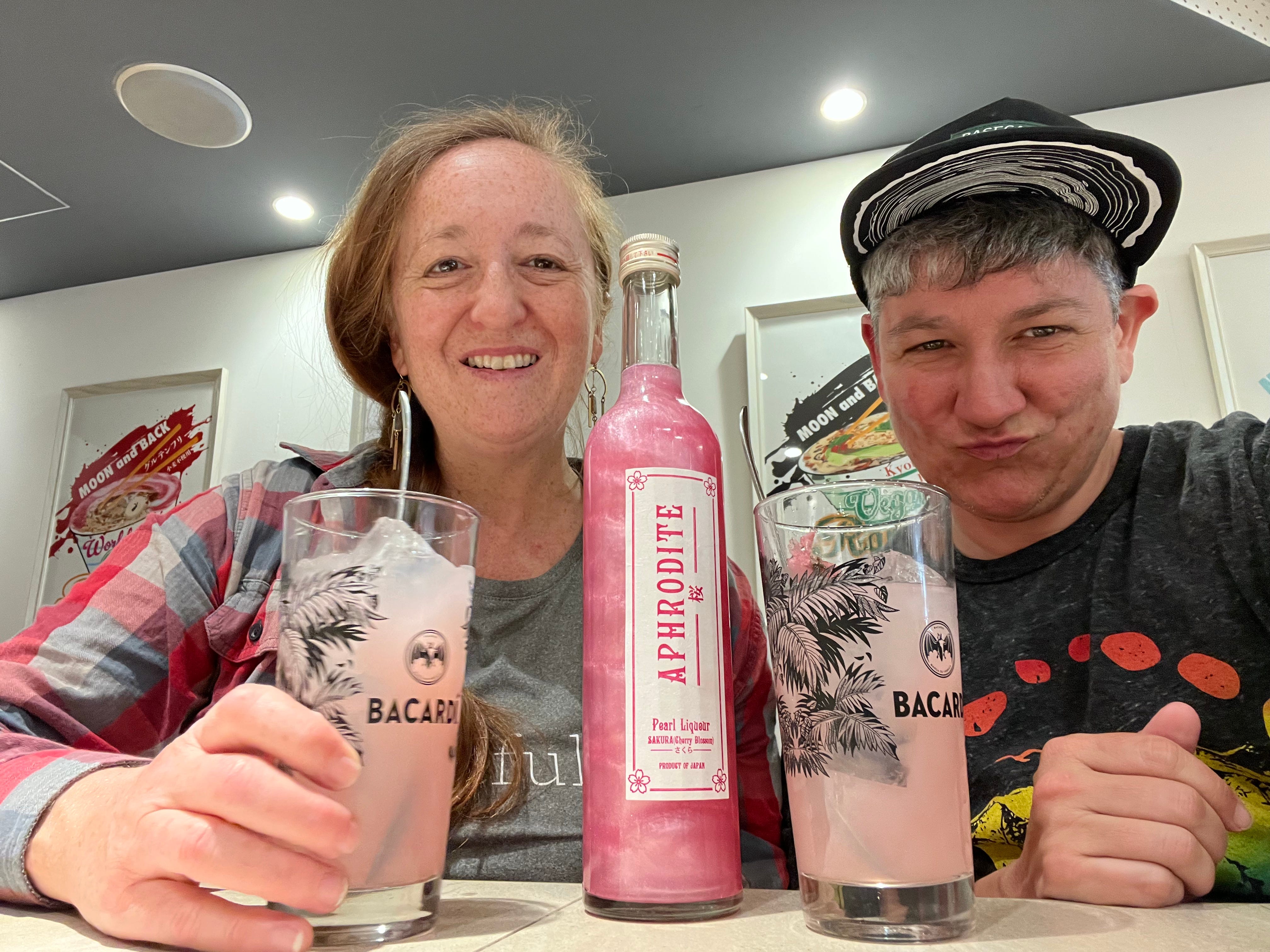
From there we meandered our way back to Kyoto Station taking in the beautiful day.
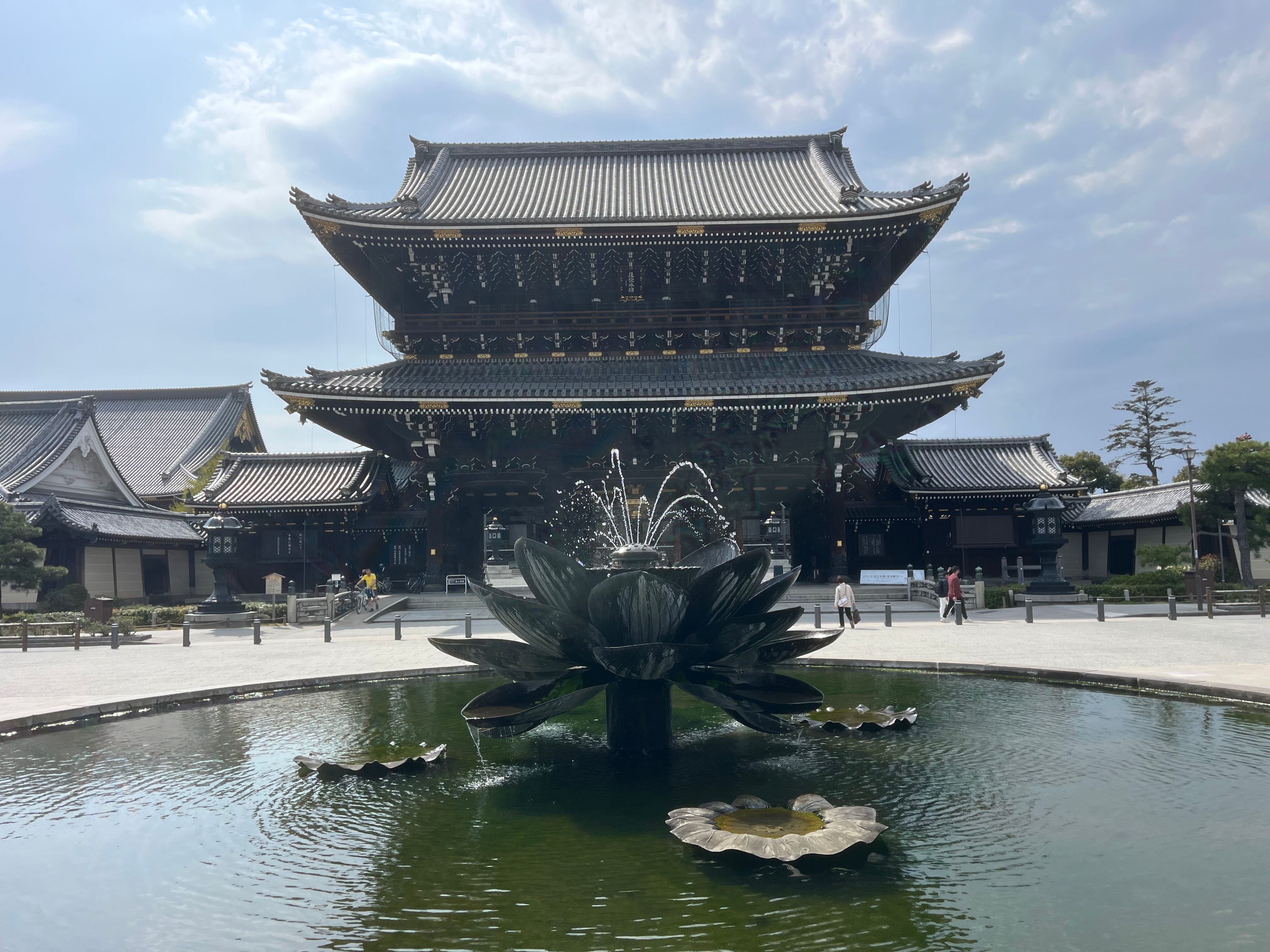
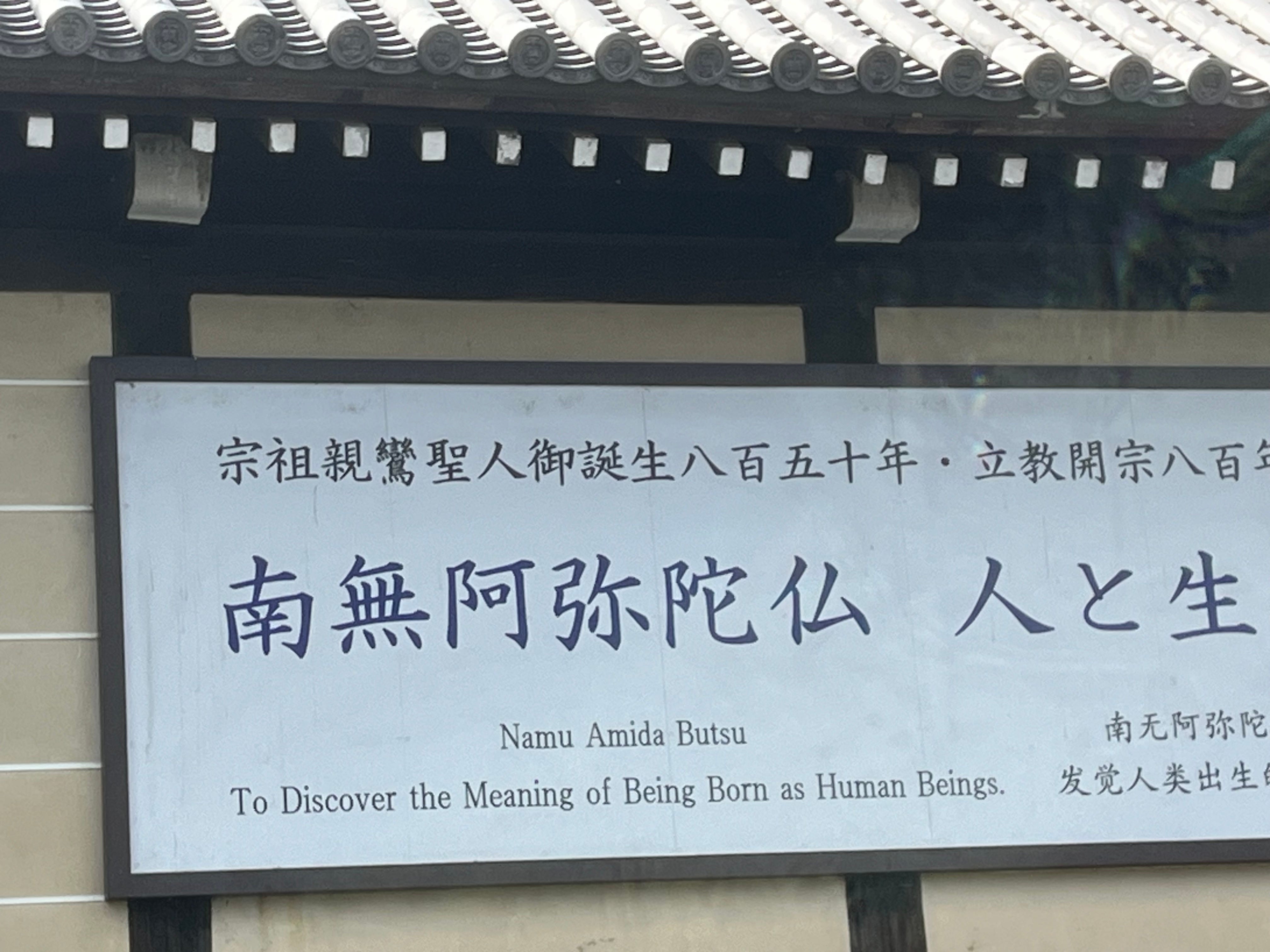
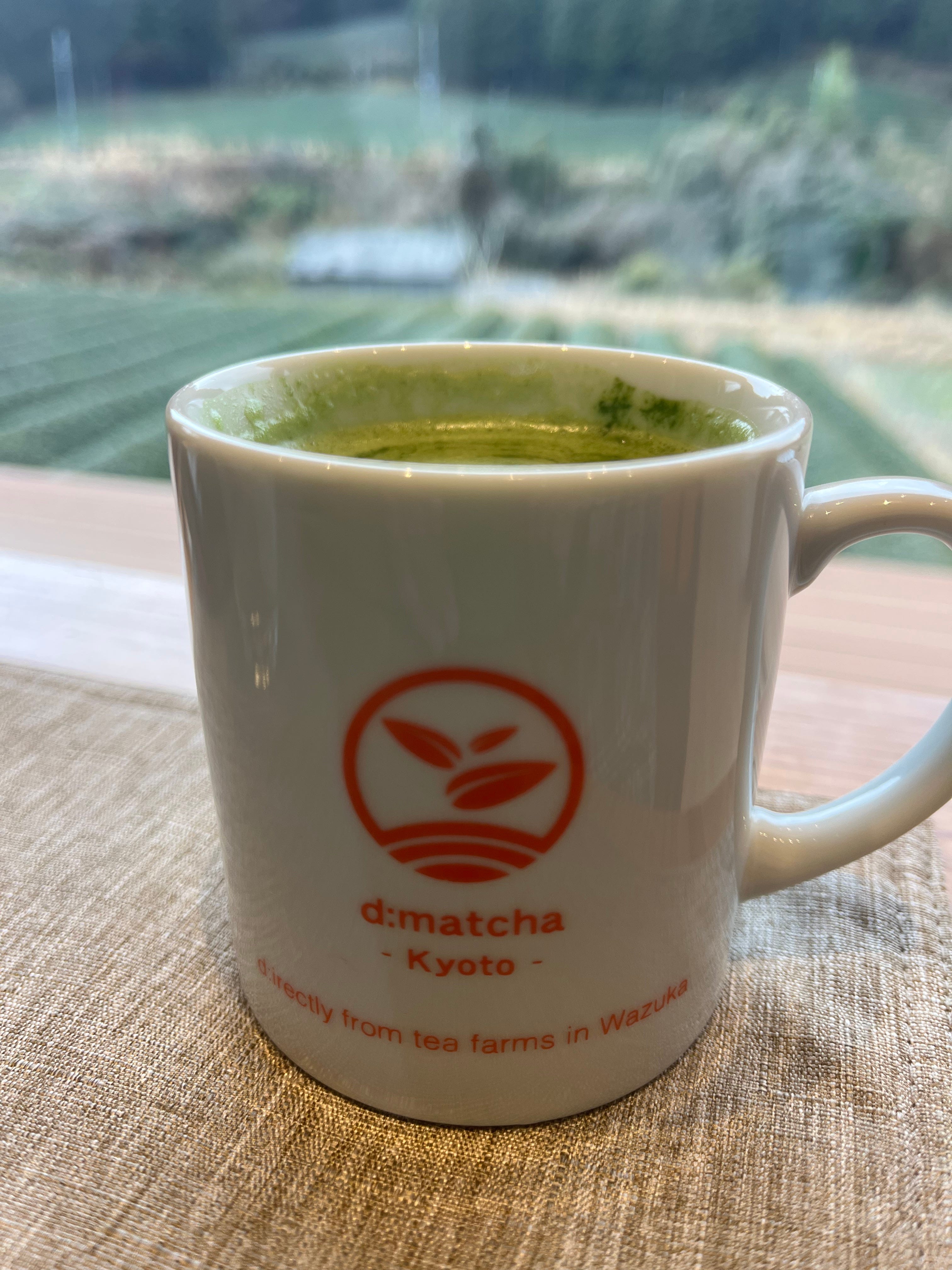
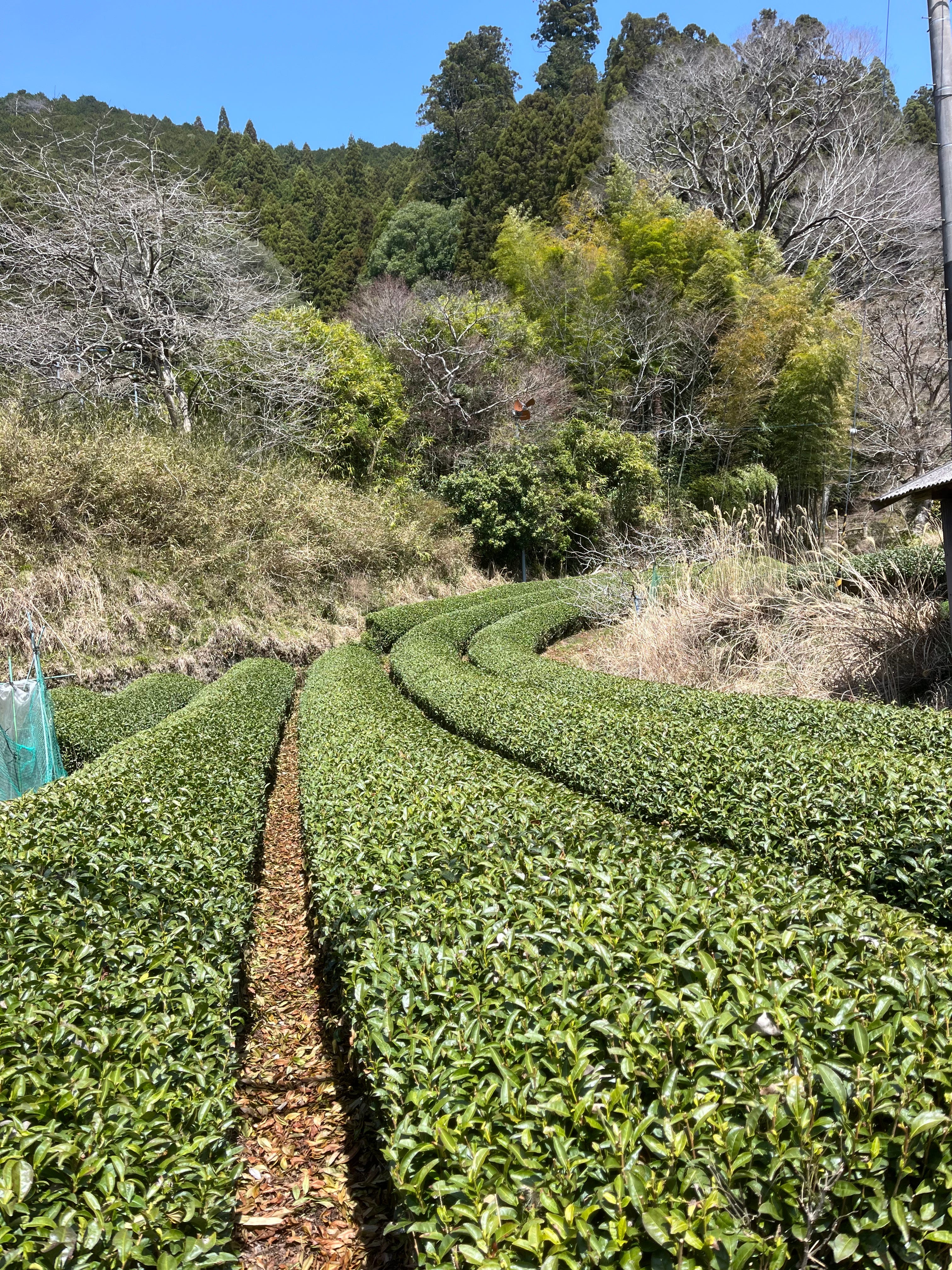
We retrieved our bags and caught a local train a few stops east to Ishyama station where we were instructed to take a cab to the farm. The cab drove us up into the mountains on a windy country road, about a 45 minutes, and dropped us at d:matcha where we were warmly welcomed by one of the many interns, Ria, a matcha consultant who lives and works on the farm. She made us some matcha teas, which we drank in this beautiful cedar building against this incredible backdrop of the farm fields.
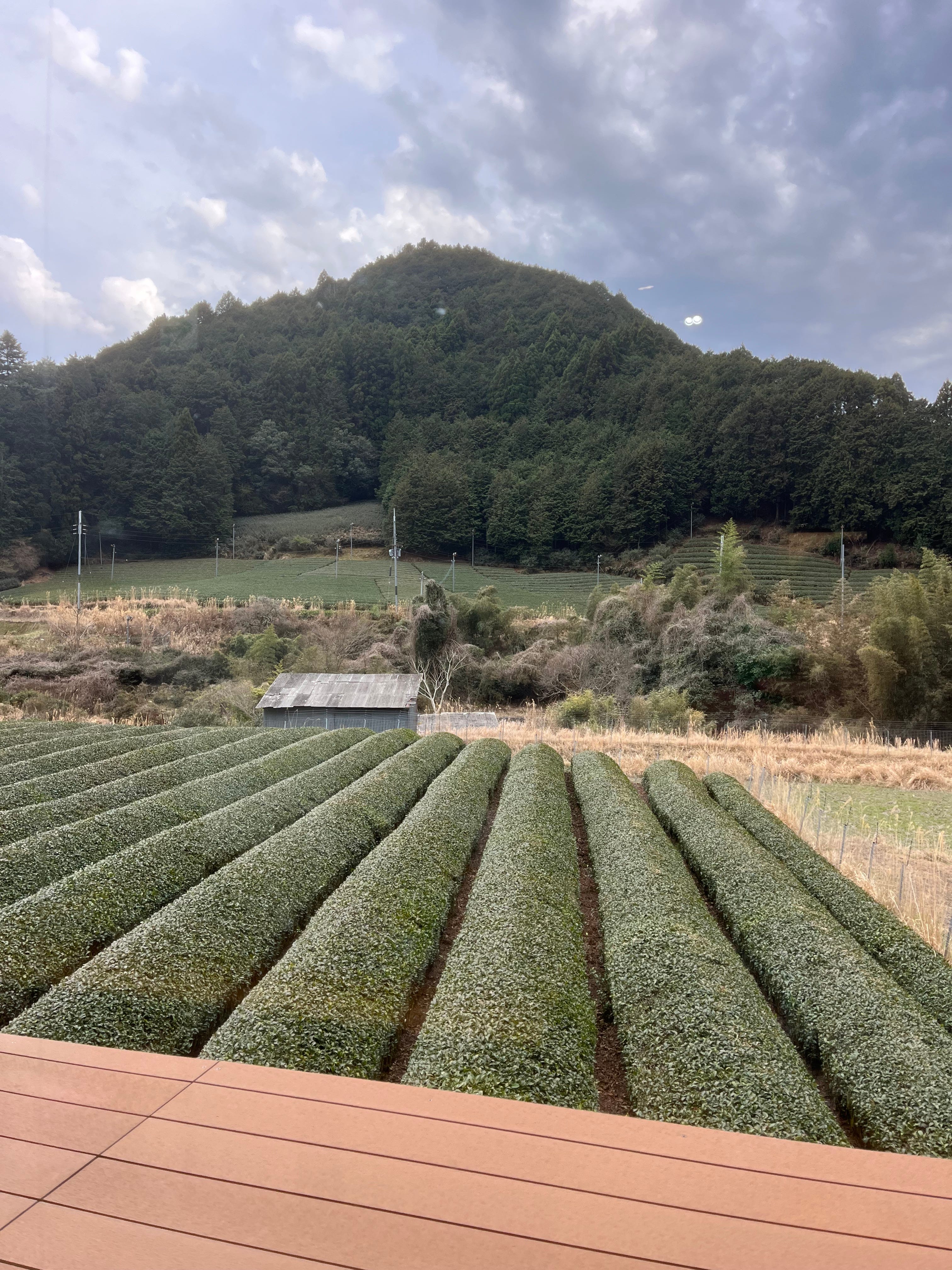
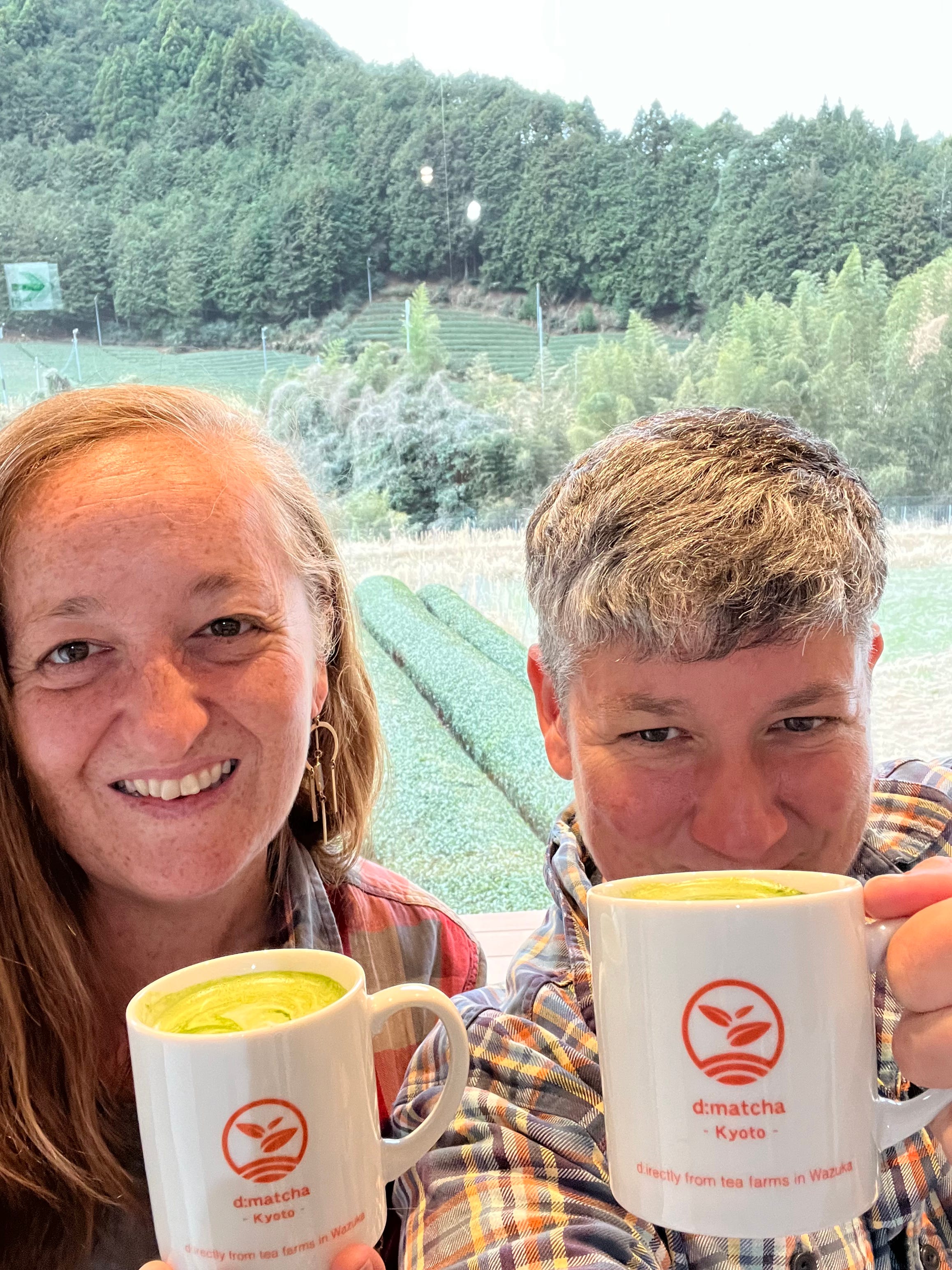
We watched the birds and Caitlin was thrilled that I brought binoculars. Caitlin is a wealth of naturalist knowledge and holds some intriguing perspectives on human earthly relations that I deeply resonate with. She’s also a master tracker and can tell you epic tales from the trails from the faintest of track that most people wouldn’t notice. We finished our teas and Ria showed us to our room, which was actually an entire recently renovated traditional Japanese house called “Tea Moon” that overlooks d:matcha’s rolling tea fields and stands next to the 1000-year-old Hakusan Shrine. It was above and beyond our wildest expectations. The rooms had tatami mats and rice paper sliding doors the opened to hallways and the exterior doors slid open and the place was just gorgeous, serene and perfect in every way.

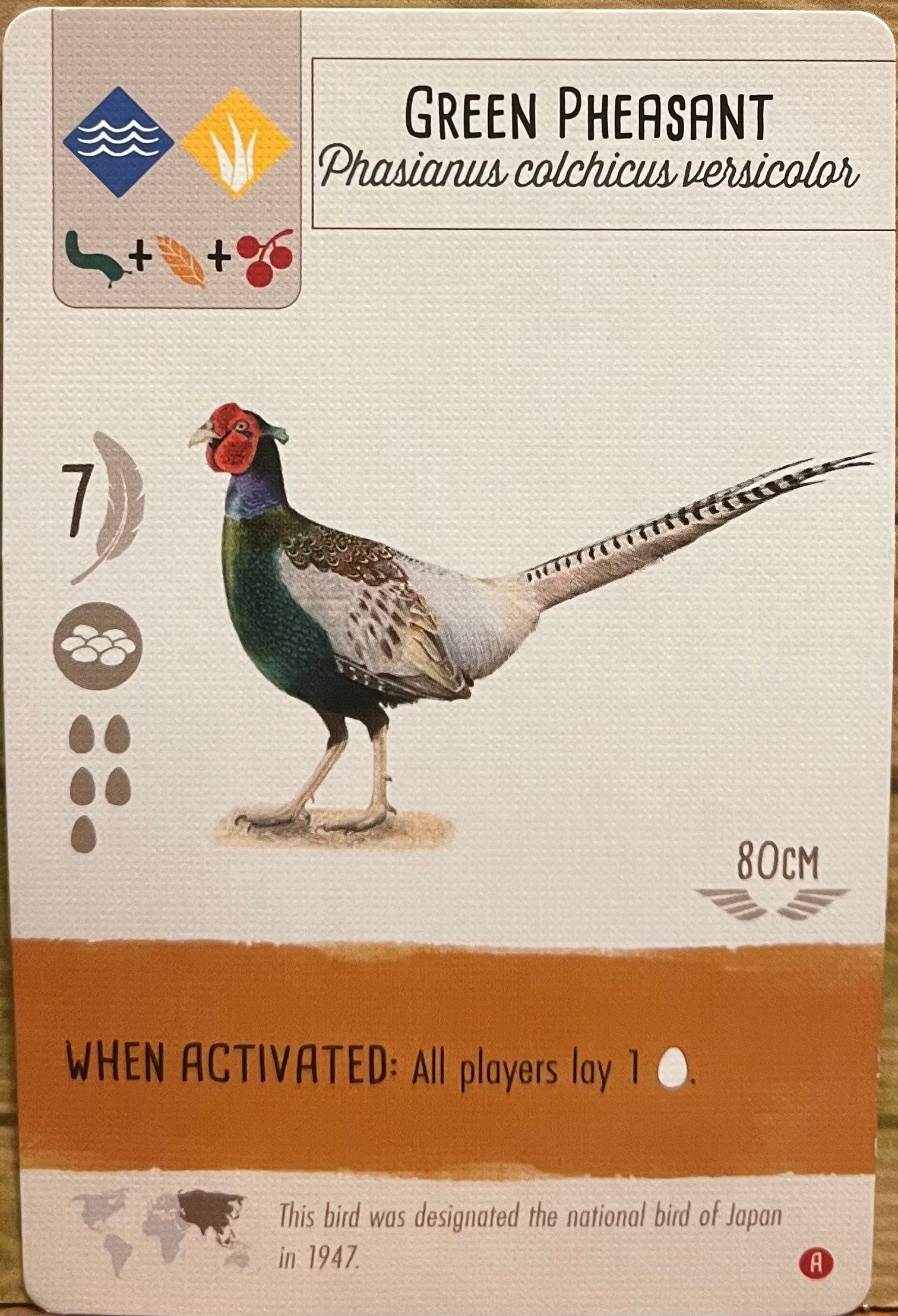
We settled in and Cailtin took a long bath in this teacup-shaped bath tub with a literal giant bag of green tea that they left us for soaking. I did some writing while looking out the window admiring a big colorful green pheasant that was walking around in the front yard. I would later learn this is the national bird of Japan. This is also one of my bird cards from one of my favorite board games, Wingspan, and I’m now noticing the fun fact on the card.
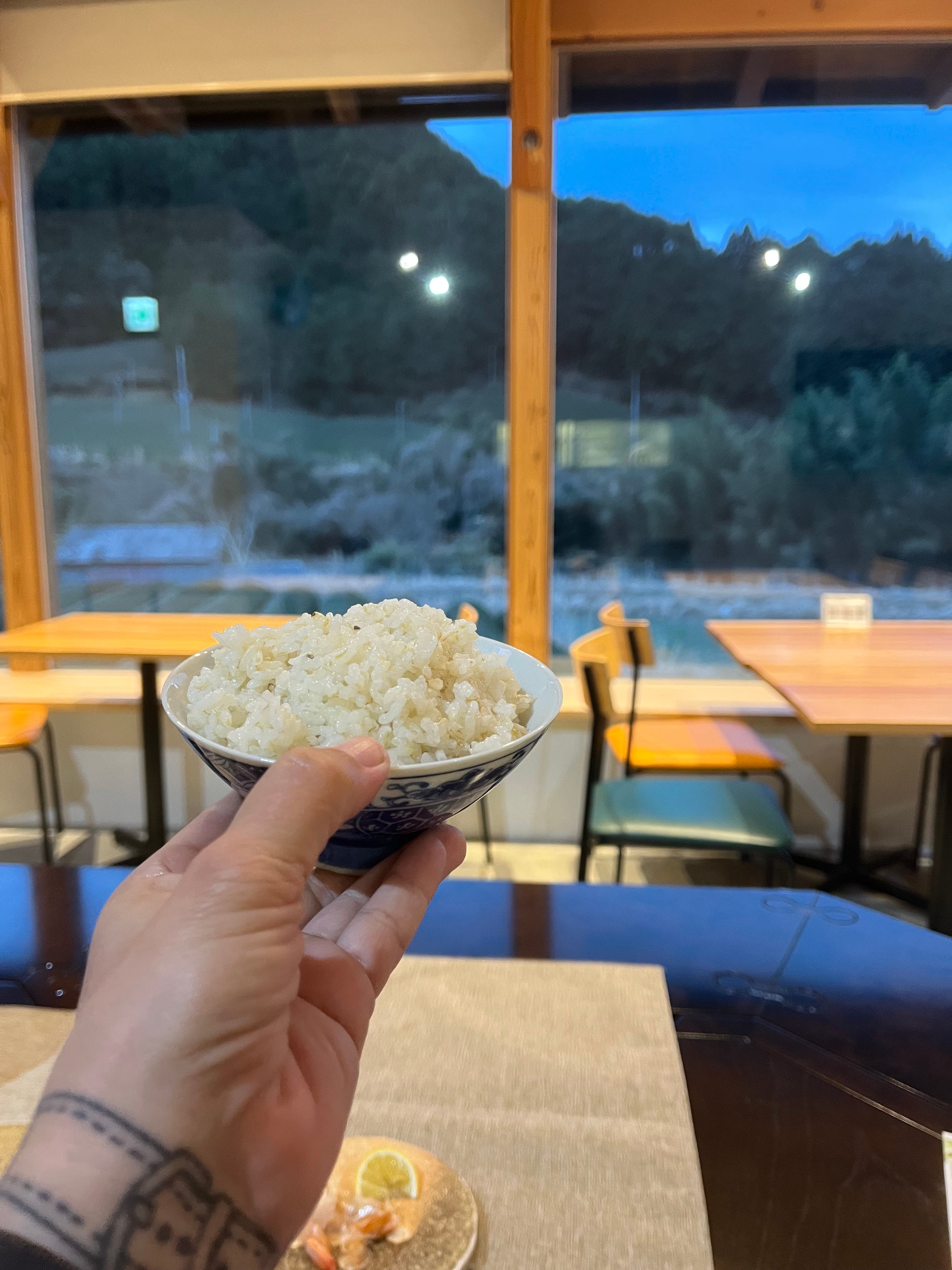
Dinner was fancy and we were the only ones in the room. We were served a series of courses and the rice was grown in the fields right out the window before us.
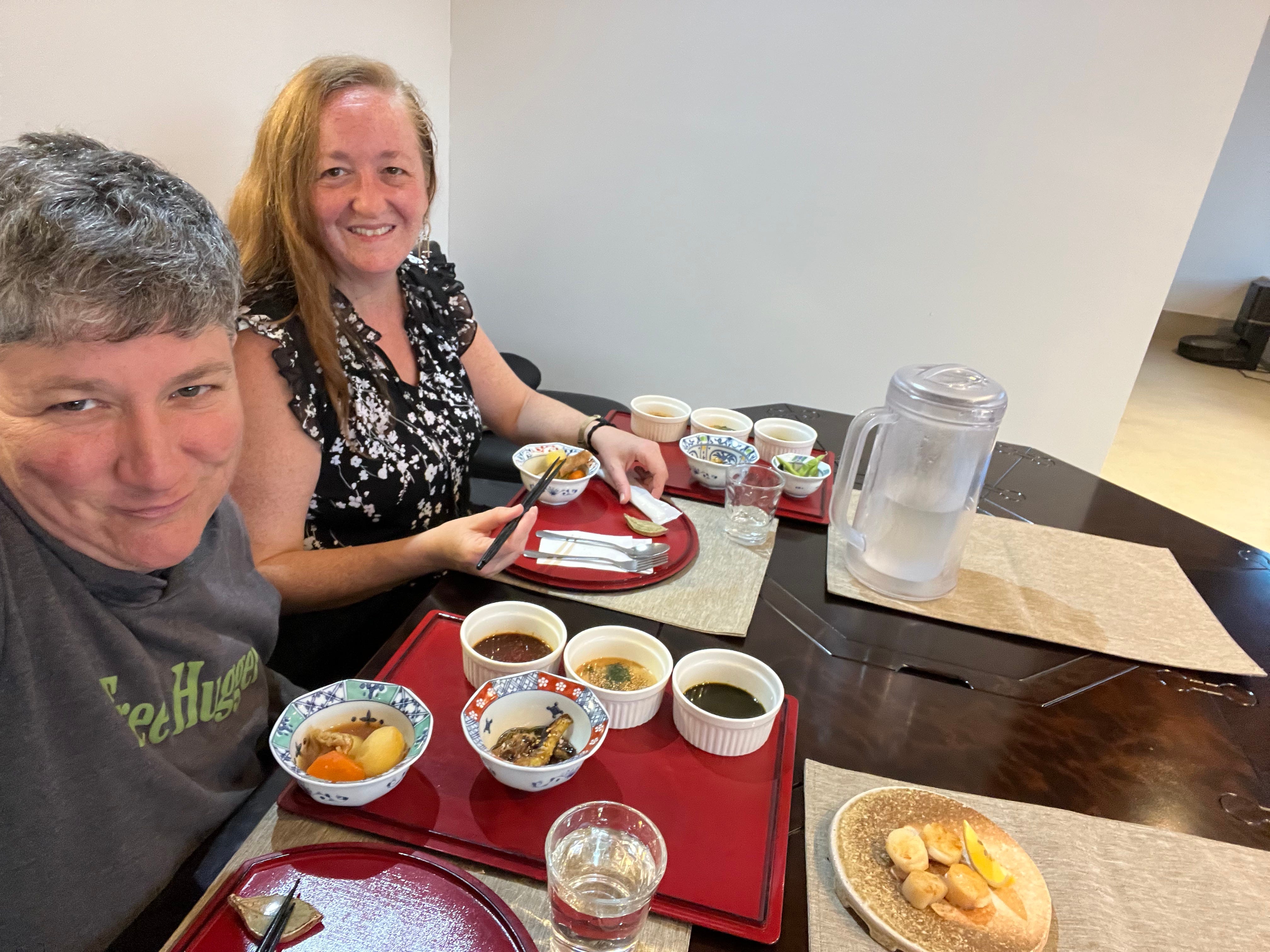
We soaked up every moment of the meal which was kindly served by a young man named Alan who asked us where we were from. When I replied “Boston”, his eyes got huge and he responded that he grew up in Boston. When he asked me how we found about about d:matcha farm, I told him about the person from Boston I met who told me that she use to live and work here and how she had met the farmer and owner, Daiki, when he was attending business school in Boston in preparation to launch this tea farm business. With his wide eyes, he asked me if Daiki knew about this connection and I smiled and shook my head no.
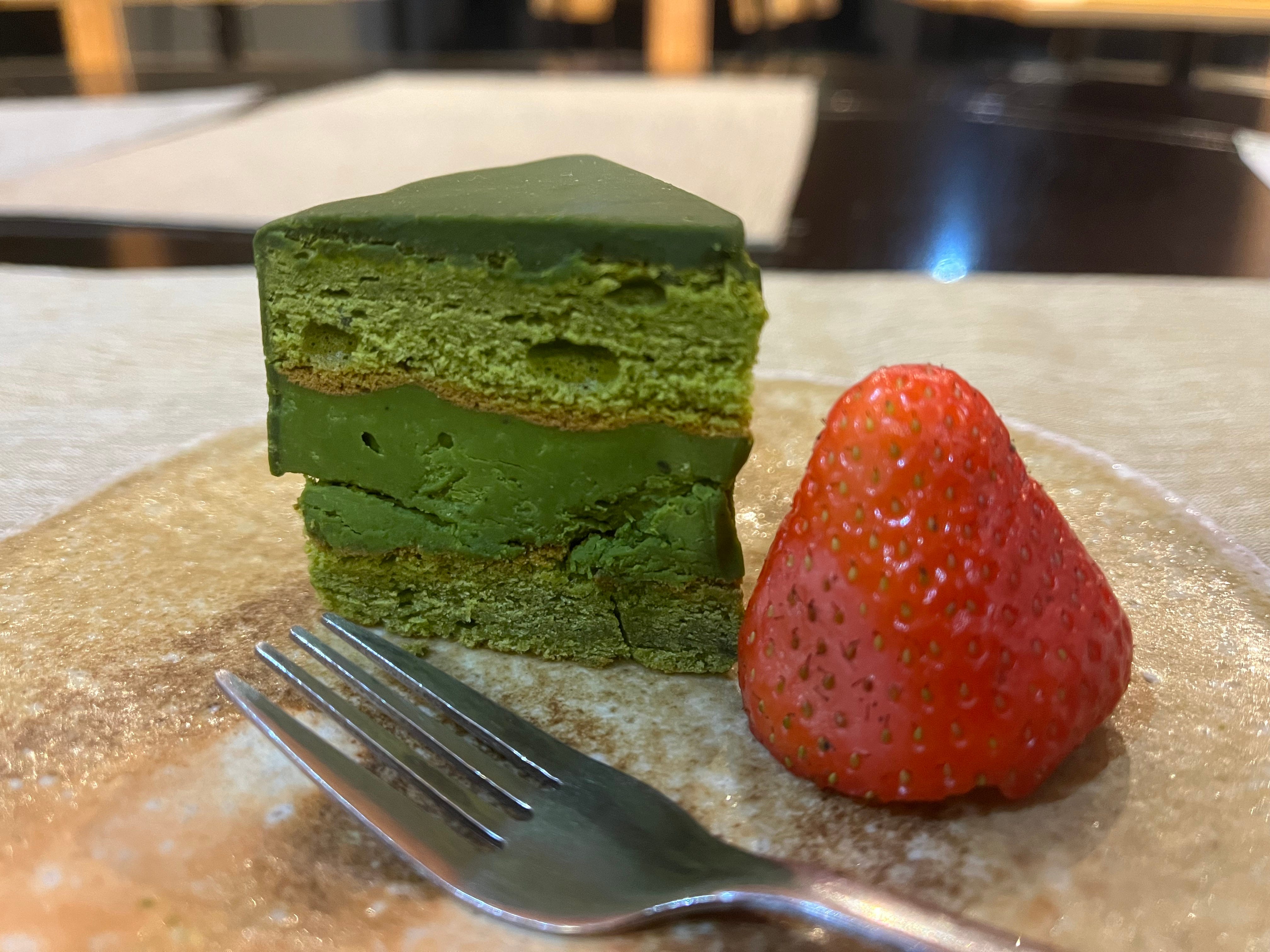
After dinner while we were enjoying some matcha-infused chocolate cake, Daiki came out and warmly welcomed us. He asked me about Boston and I told him who I was referred here by and he grinned widely, fondly remembering this mutual acquaintance of ours. It was a fun connection and it felt extra special to be there. We stayed up late, high on matcha, journaling and writing about our recent adventures before falling into a deep country-side sleep. I woke up early and ran myself my teacup bath and then we visited the ancient trees right outside our front door.
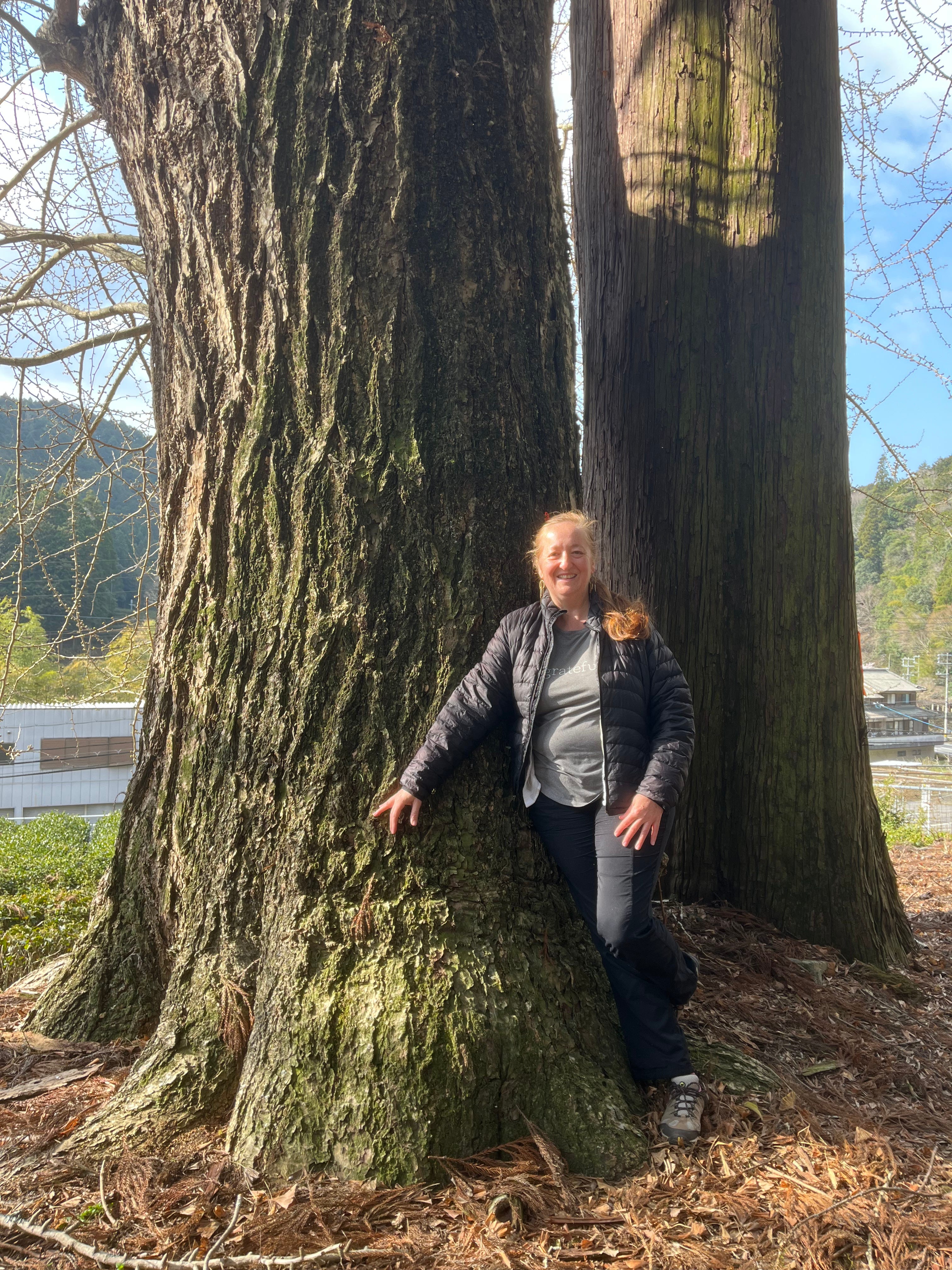
We packed up, sad to leave our little palace so soon, and headed to breakfast to enjoy more matcha-infused everything.
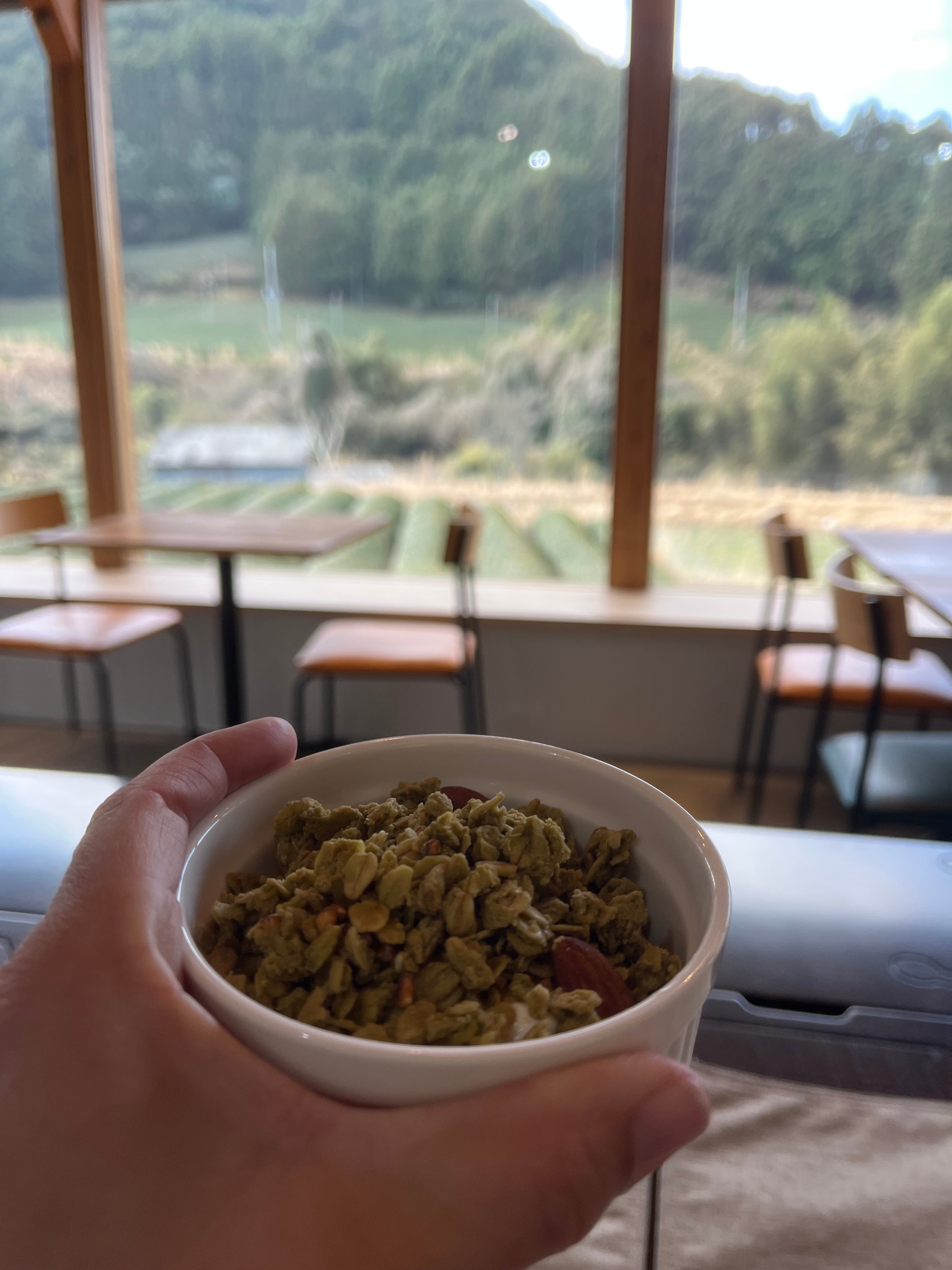
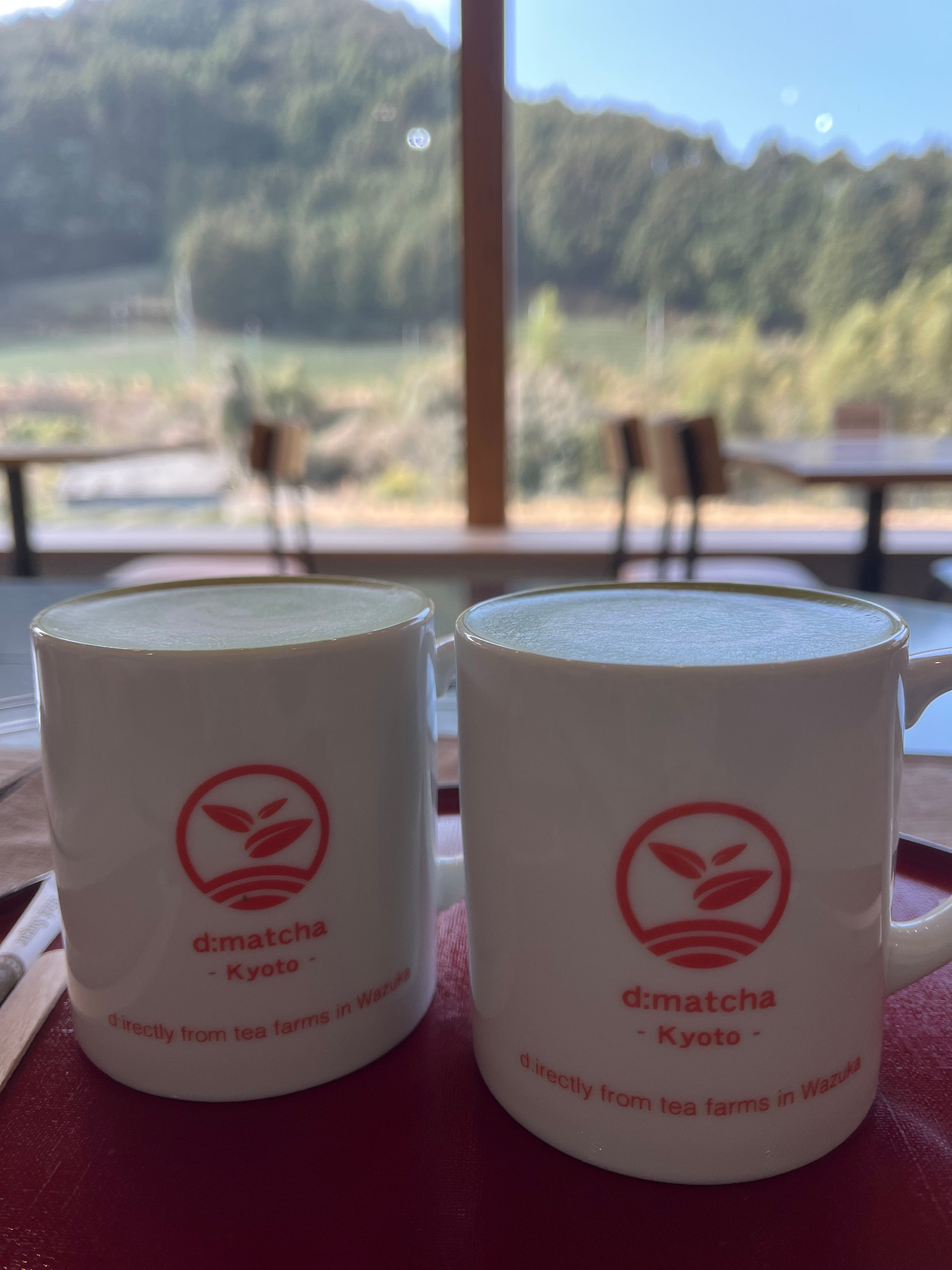
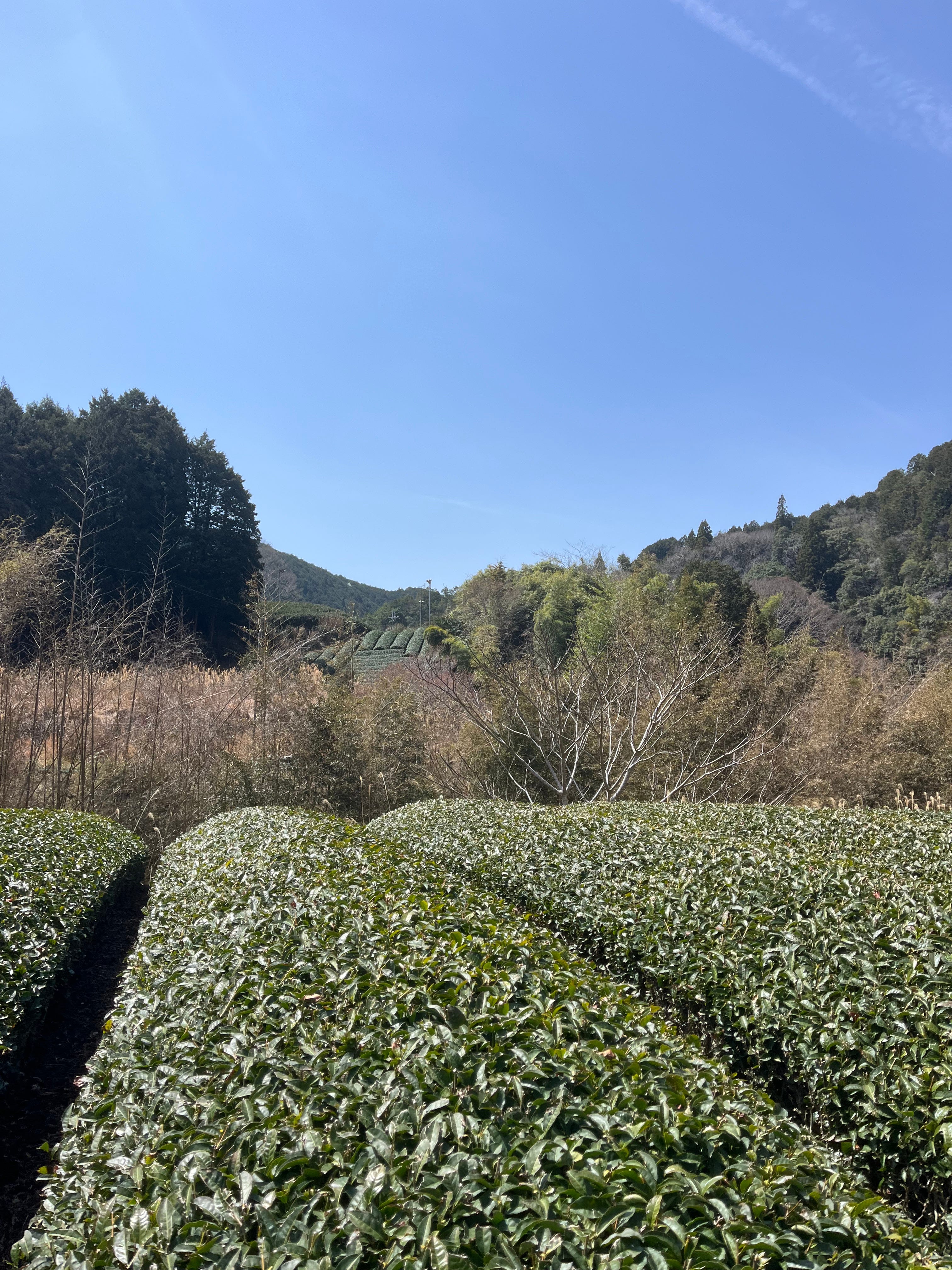
After breakfast the farm tour began and a bus load of tourists joined us for a truly incredible four-hour educational farm tour followed by a tea tasting. Daiki taught us so much about green tea and matcha, patiently answering all our questions, guiding us through the aromatic fields.
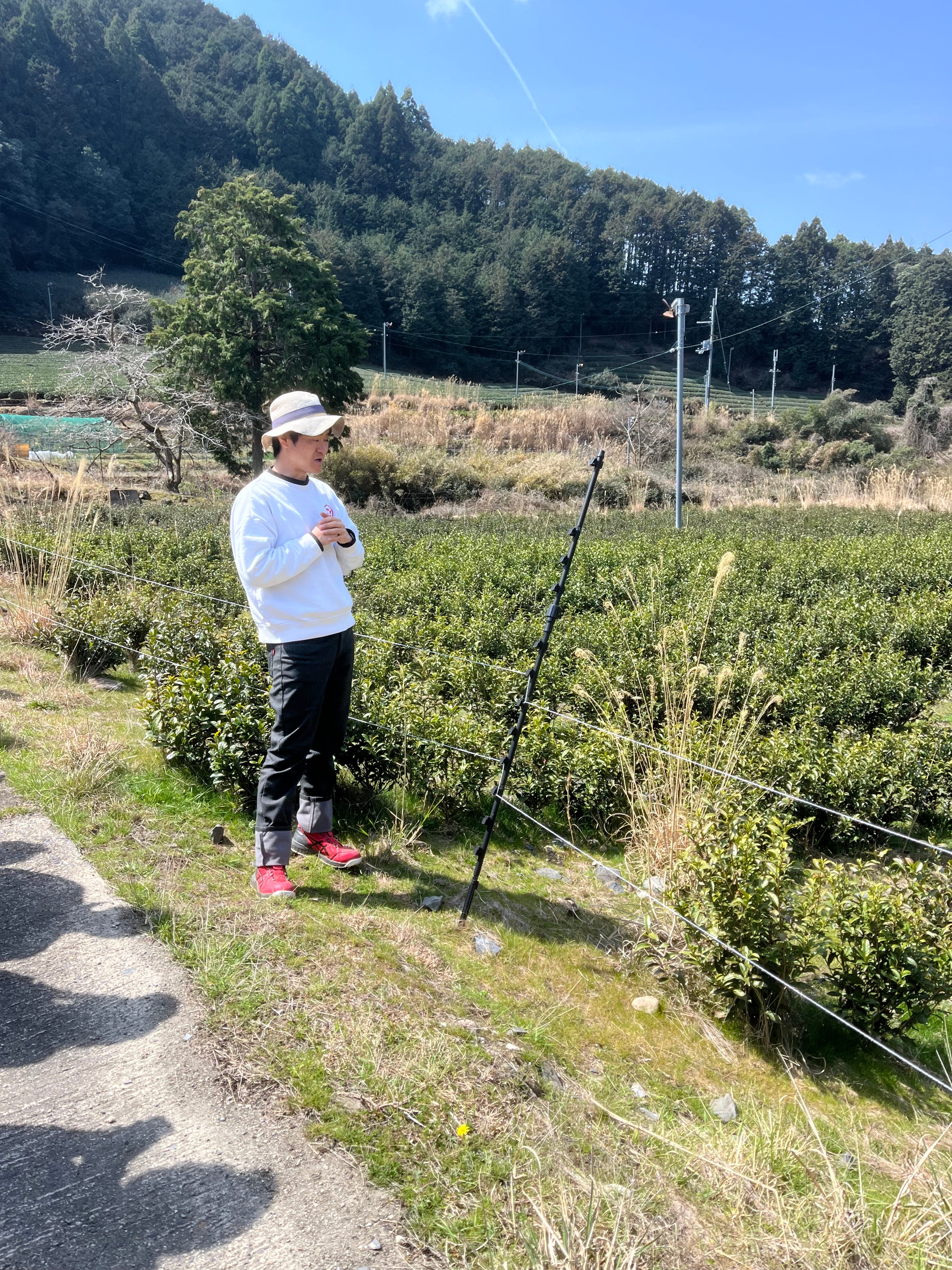
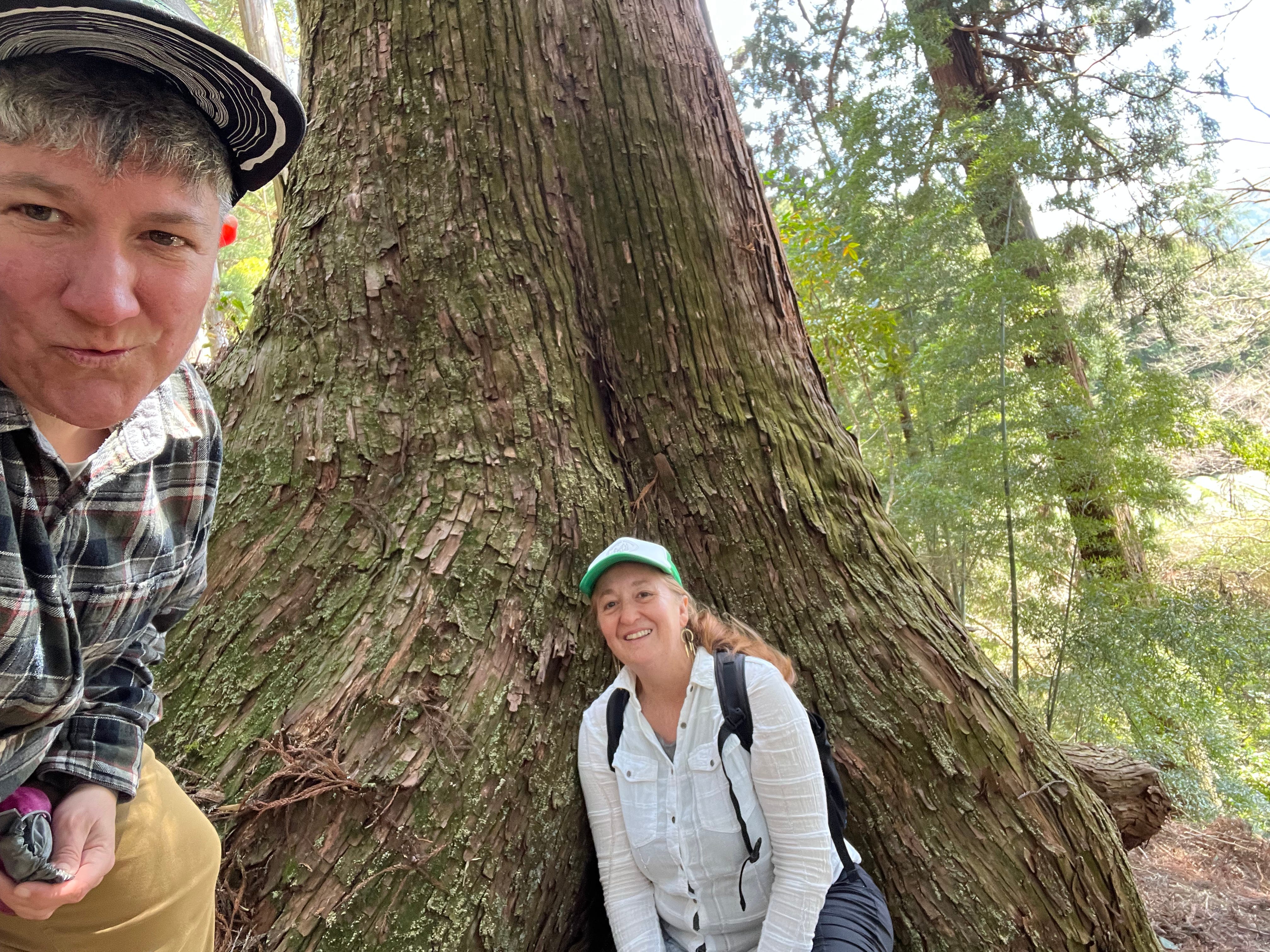
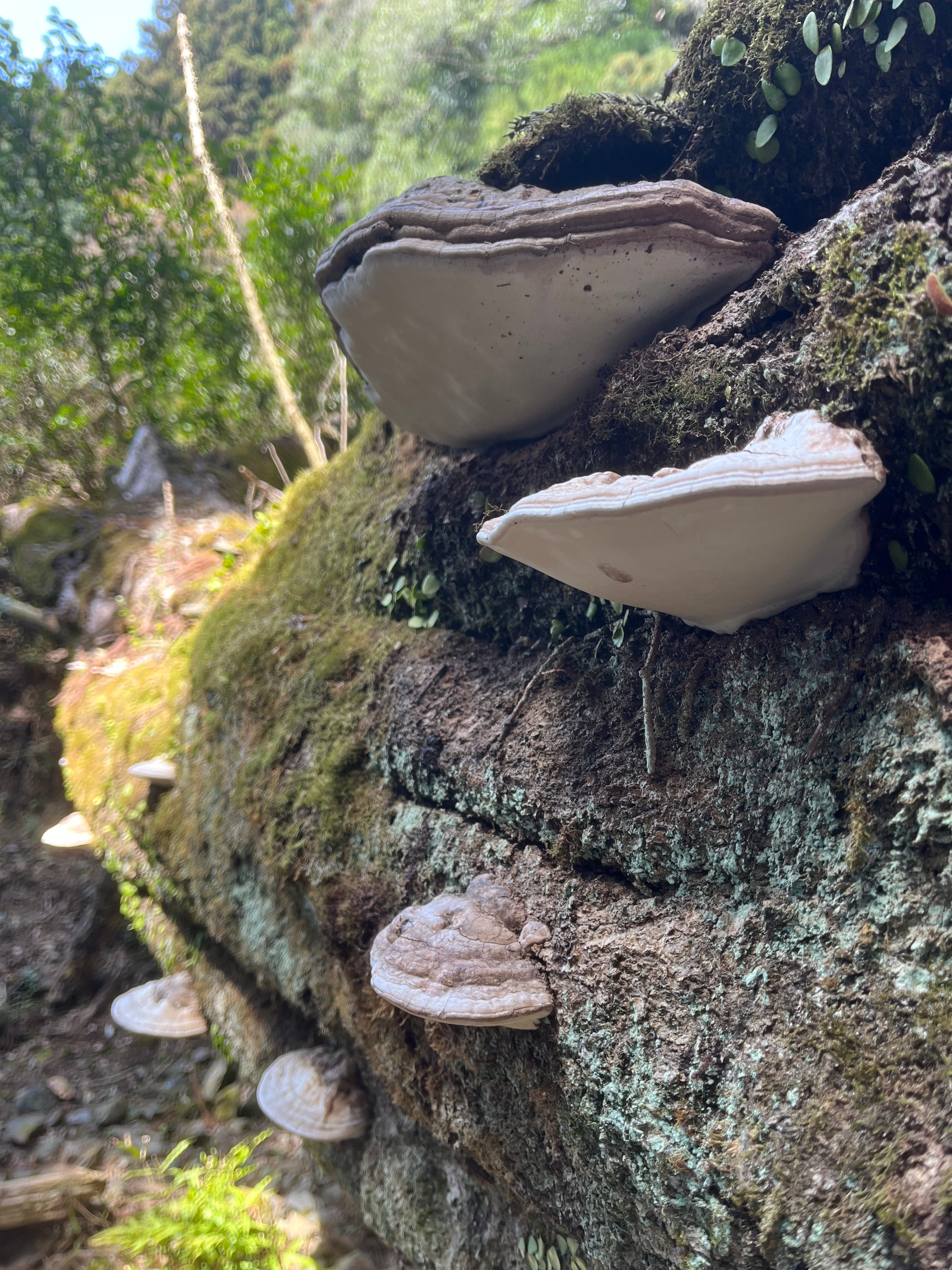
He invited us up to the 1000-year-old Hakusan, where local green tea farmers pray to this mountain deity for good harvest. There were so many huge cedars and we stopped to be with each and every one.
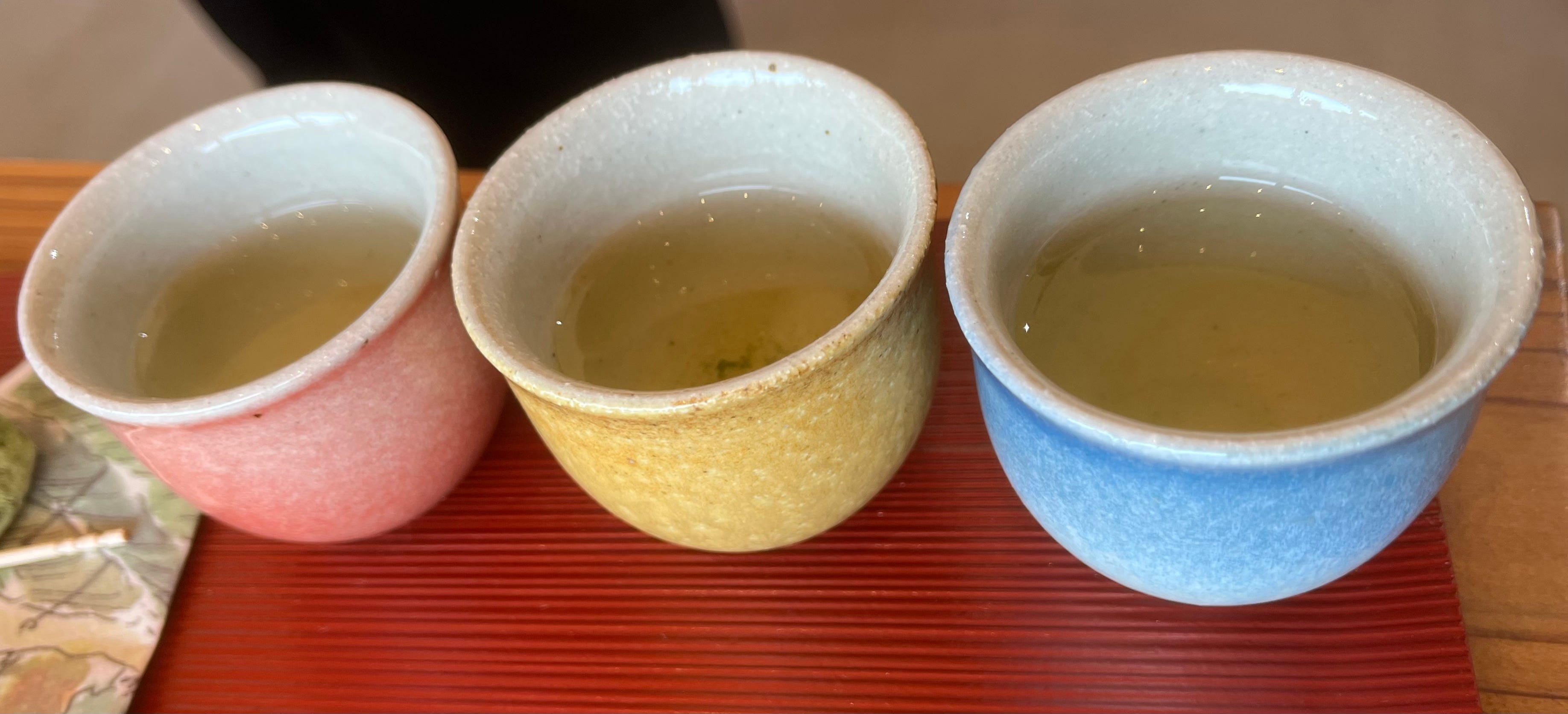
The final stop on the tour was the factory where they process the freshly harvested tea leaves with various equipment. I had no idea how much process was involved in making tea! Now it was time to taste the tea and we headed back to the main building where Alan re-appeared, sharing more about his personal journey, how he fulfilled his dream of moving to Japan after graduating highschool in Boston and studying Chado (way of tea) in Kyoto for three years, earning a professional degree and then linking up with d:matcha, where he demonstrates how to brew sencha and how to make matcha. He was funny and sweet told me about his parent’s Japanese restaurant in Boston, which I intend to visit. We tasted three different senchas, a tea making process from three different varieties of green tea. It was wild how different they each tasted!
Next was matcha and again! Such a range of flavors!
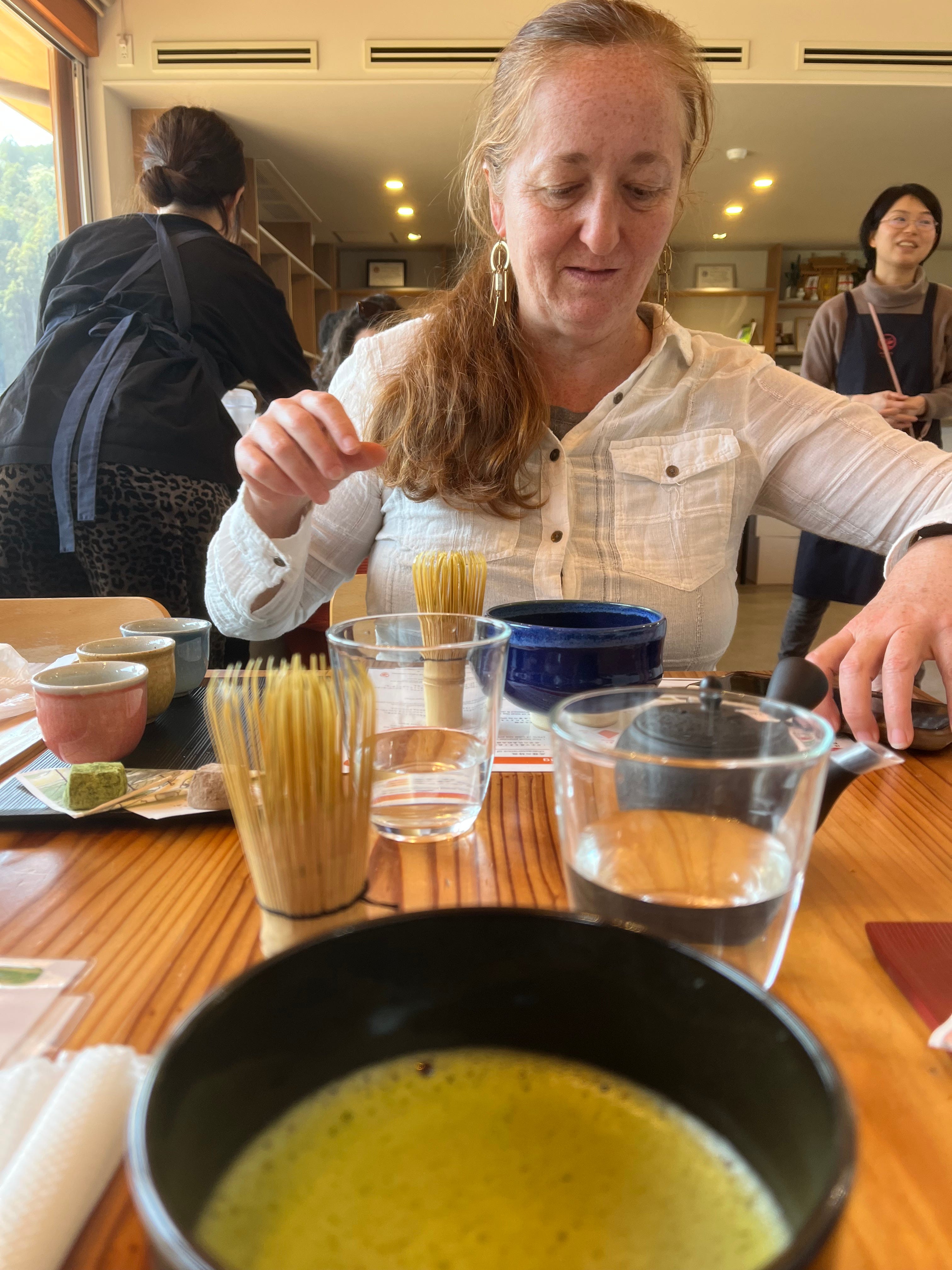
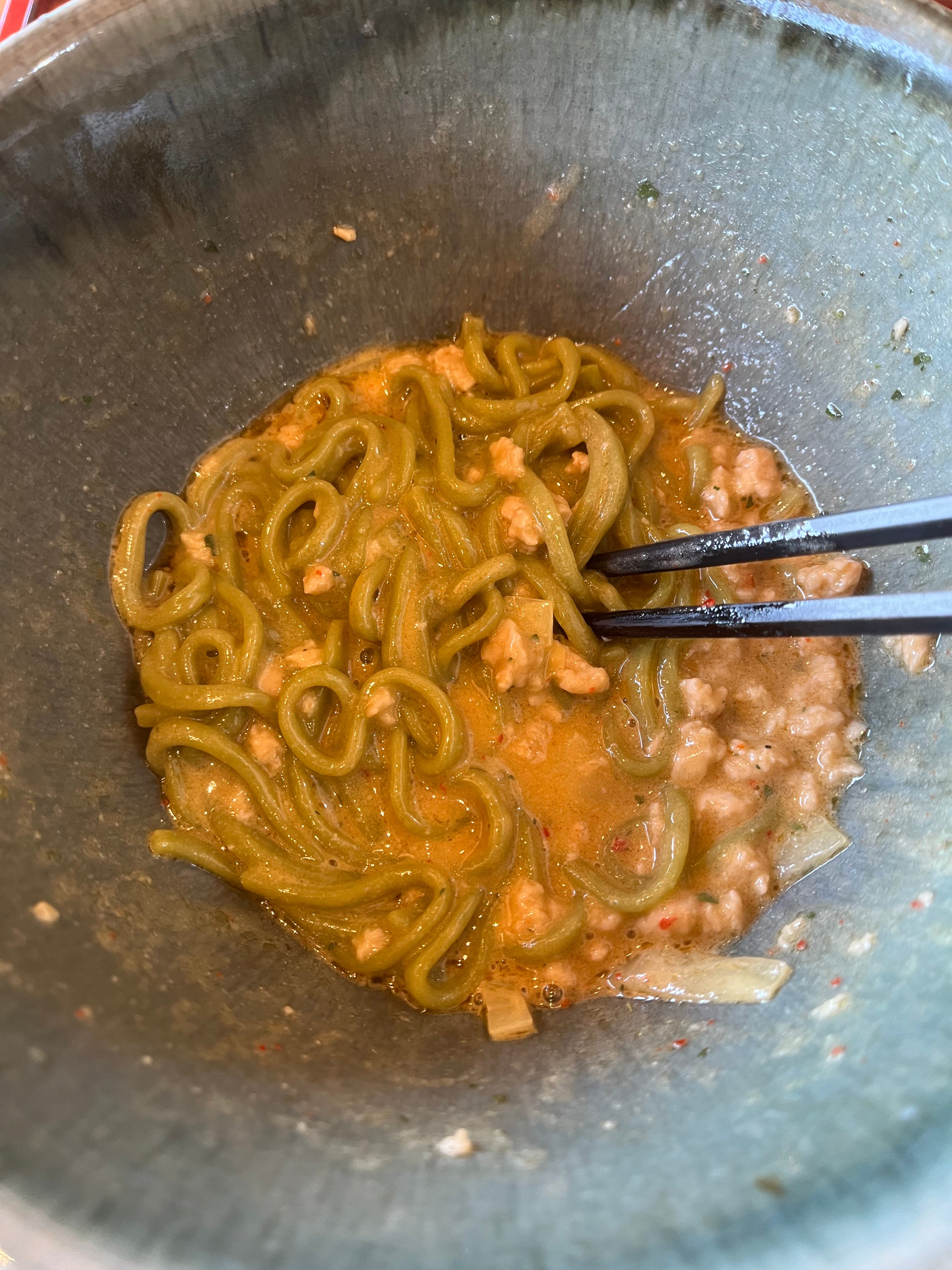
Then lunch! Wow! Soooo tasty! I had some plant-based matcha-infused noodles with sesame and tofu and it was so incredibly good. I can’t get enough brothy noodles.
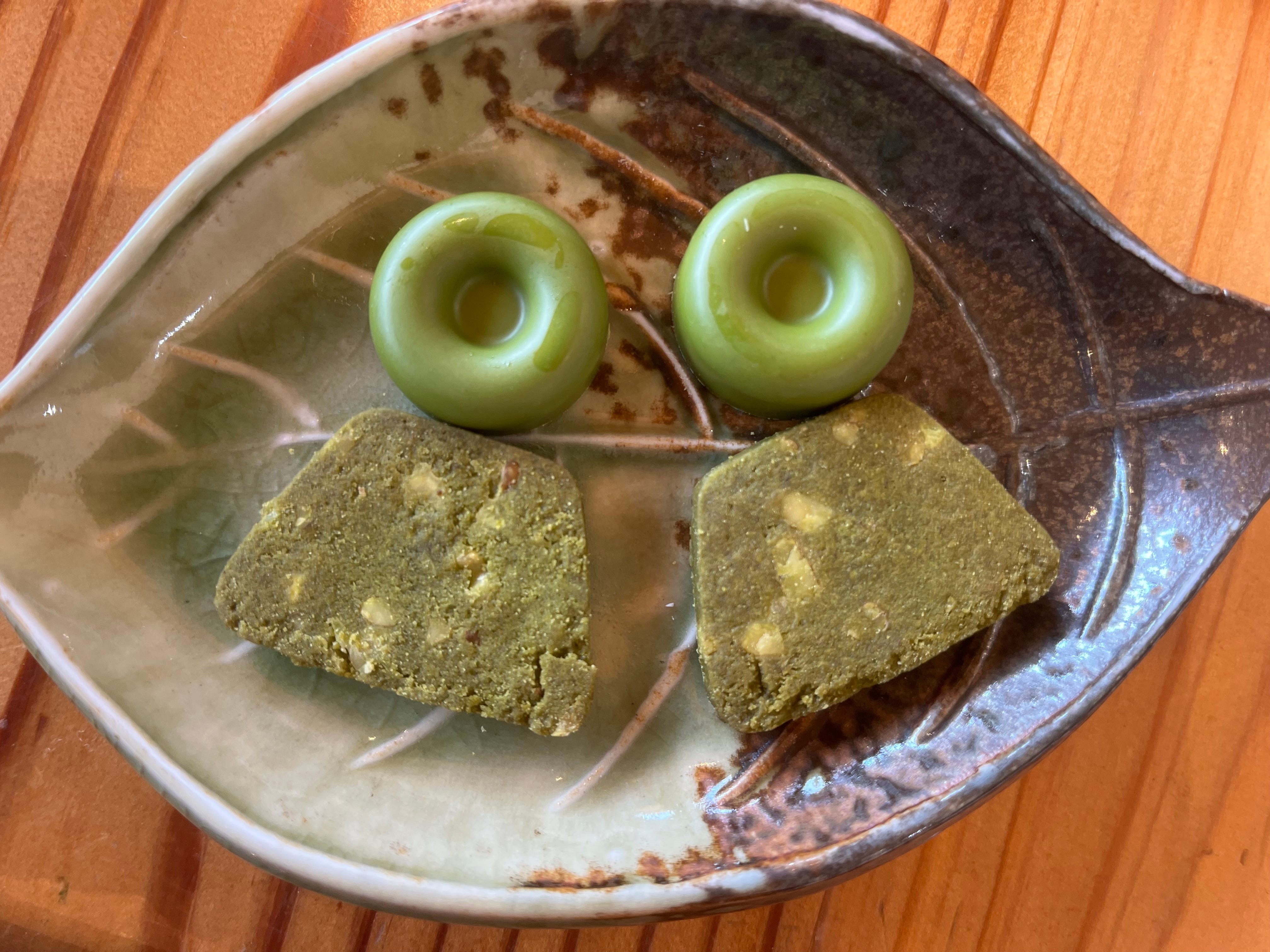
There were lots of little cookies and chocolates and by the end of the meal, we were completely matcha-fied. I felt like maybe I was turning green and I loved every sensory moment of it. We were feeling truly euphoric.
We were so incredibly immersed in this land and it was such a perfect way to spend our final full day in Japan. Utter incorporation.
Once the meal and tea tasting was complete, we shopped in the little gift shop where I bought many teas and sweets to bring home as gifts while happily supporting this sweet and tender family-owned business with such a truly inspiring mission.
Thanks for reading. I love you.
Tam, I have so enjoyed reading your posts about Japan! I am Caitlin’s dad and your Substacks added so much to what she shared about her experiences. Thank you! It’s so appropriate that I am reading this while spending Passover Seder with my sister’s family in Marblehead - not so far from you.